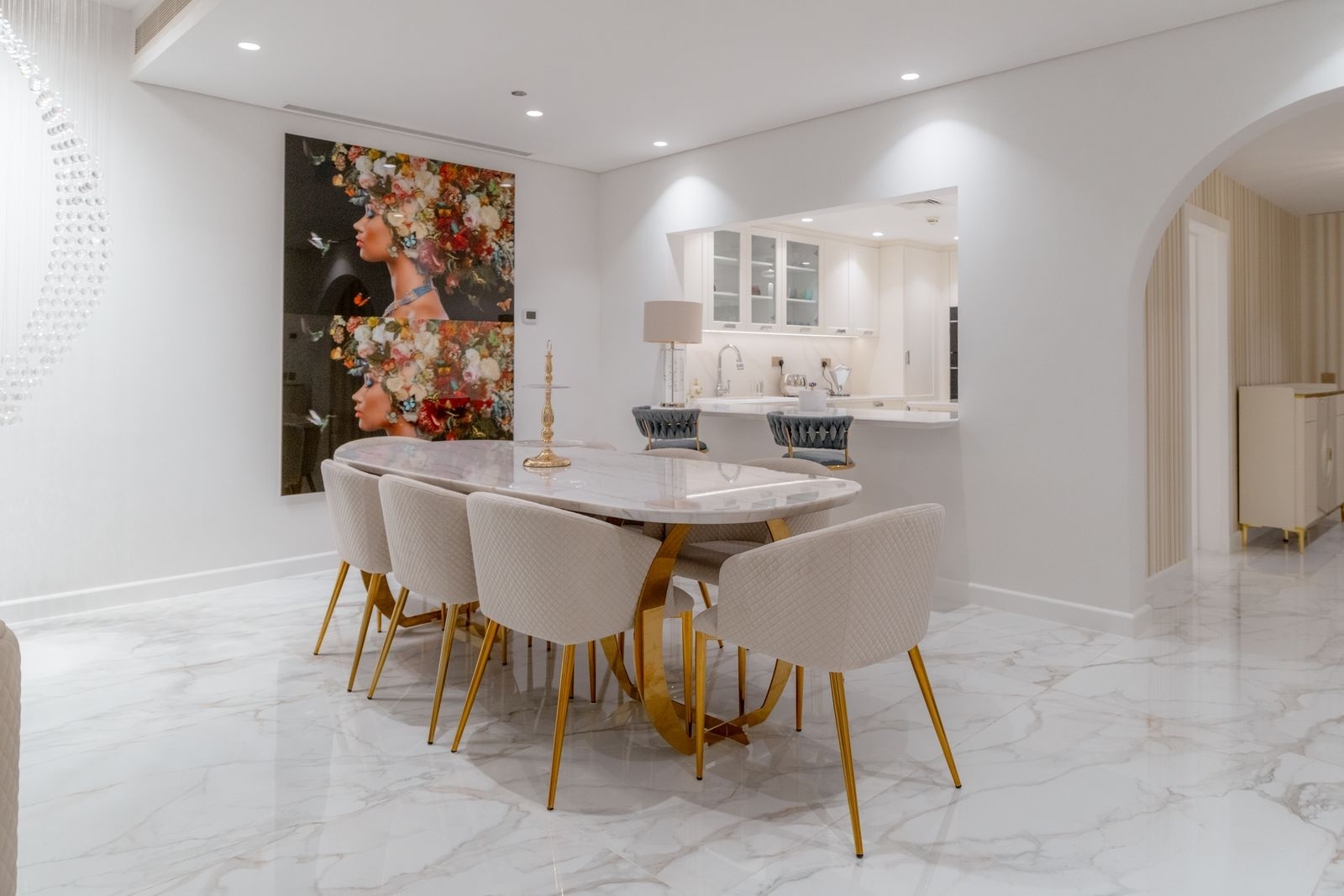
With more people wanting calm, well-organised spaces that feel open and easy to live in, minimalist interior design continues to grow in popularity around the world. A minimalist design approach focuses on keeping things simple and useful. It works especially well for today’s fast-paced lifestyle, where less clutter can mean less stress.
At Smart Renovation, we help create minimalist spaces. We manage full renovations and also source unique furniture, art, and special pieces to suit this clean and simple style. In this blog, we’ll explore what minimalist design means, how it’s changing in 2025, and tips to create spaces that feel both beautiful and comfortable.
What Is Minimalist Interior Design
Minimalist interior design is all about creating spaces that are simple, clean, and well-organised. It means using only what is needed, nothing more, nothing less. This doesn’t mean a space has to feel empty or cold. Instead, every item in the room has a purpose. The goal is to make each room calm, useful, and comfortable without adding too much.
History
The concept of minimalism started many years ago. It was influenced by art and design movements like De Stijl in the Netherlands, which focused on basic shapes and colours. Later, Scandinavian design added warm, natural materials and a strong connection to nature. Modern art also played a part, where artists and architects believed that simple forms could be just as powerful as complex ones.
Design Philosophy
The philosophy behind minimalist design is that “less is more.” By removing clutter and focusing on what really matters, you can create a space that feels peaceful and easy to live in. It can also be better for the environment by using fewer materials and making smart, lasting choices.
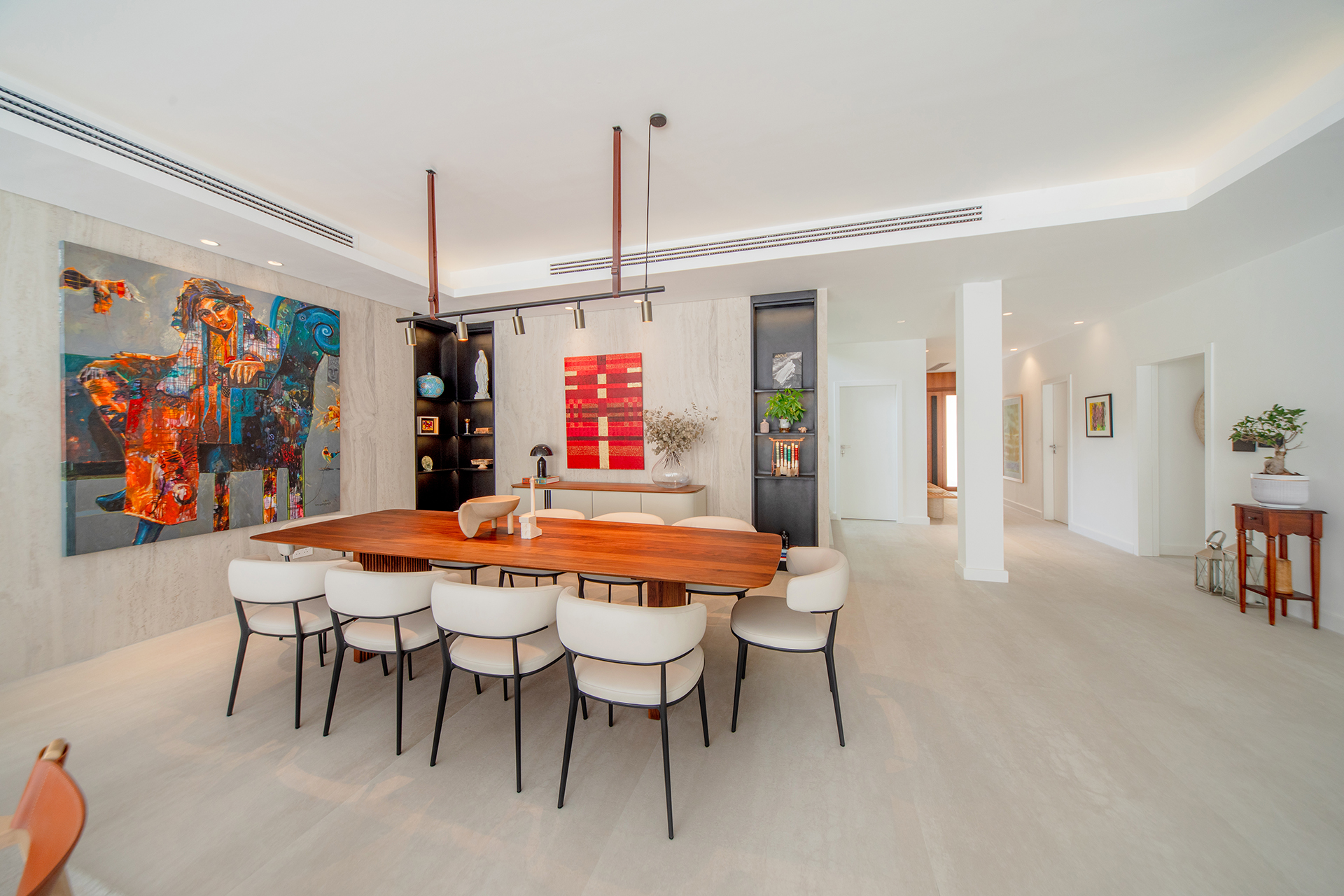
Core Elements of Minimalist Design
Minimalist interiors are built around a few simple ideas. These ideas help shape a space that feels open, calm, and useful. Here are some of the key elements that bring minimalist design to life.
Neutral Colours
Neutrals are the base of a minimalist space. Soft whites, greys, and beiges help create a clean and quiet feeling. These colours also reflect natural light well and make the room feel bigger. You can still use small touches of colour, maybe through a cushion, a piece of art, or a single feature wall, but the focus stays on keeping the space light and balanced.
Clean Lines and Shapes
You’ll often see straight edges, smooth surfaces, and simple forms. This helps keep the space from feeling too busy. It’s about finding balance and making sure everything fits together well.
Functional furniture
Many minimalist pieces are space-saving or multi-purpose, like a coffee table with storage, or a sofa that can be rearranged. This makes the most of the space without adding extra items.
Natural Light
Natural light plays a big role in making rooms feel open and fresh. Using large windows, light curtains, and open layouts can help bring the outdoors in. This is especially important in homes or offices where people spend a lot of time indoors.
Open Spaces and Organisation
Open-plan helps reduce stress and bring mental clarity. Minimalism is about keeping what’s useful and letting go of the rest. Good storage is key, so everything has its place and surfaces stay clear.
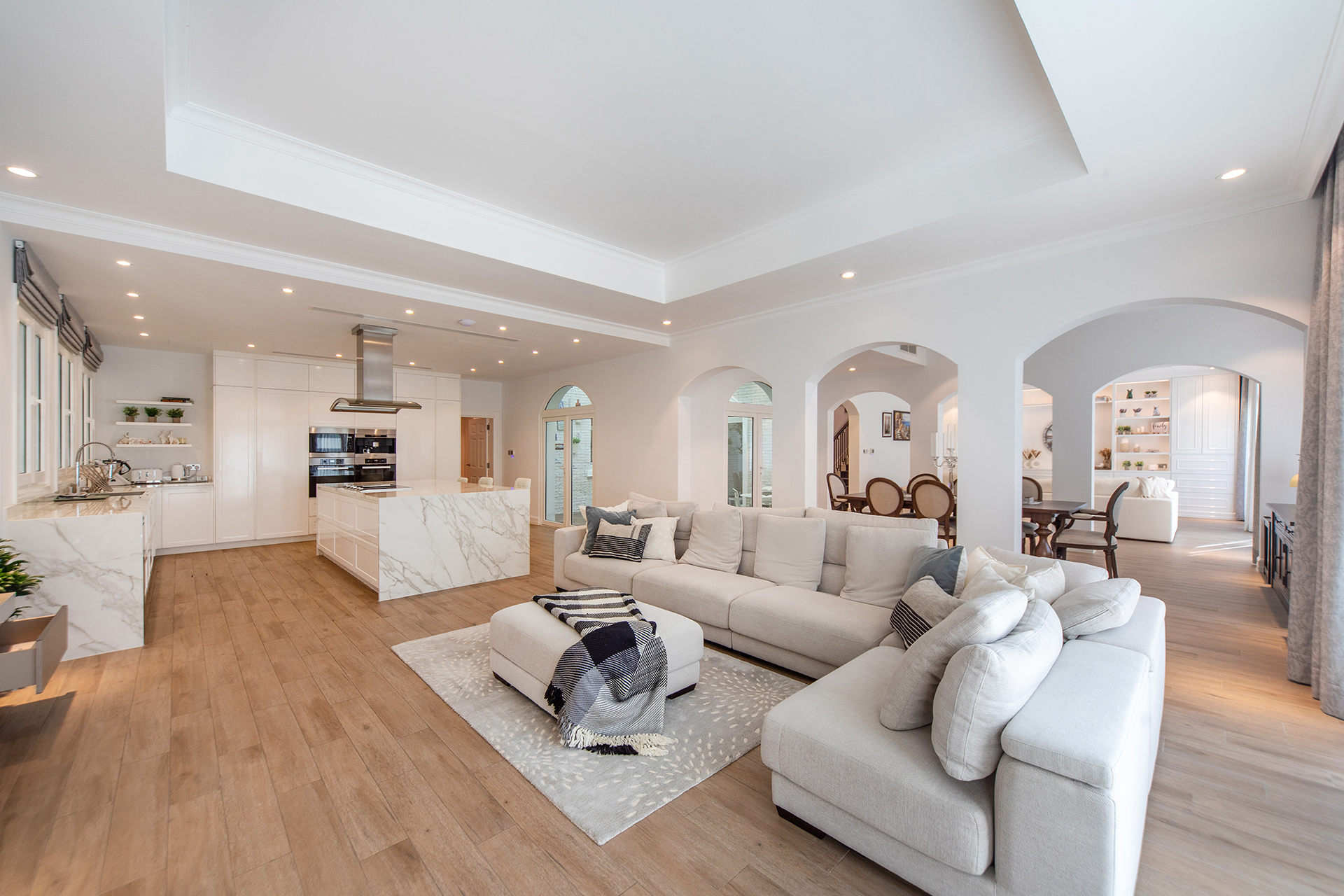
Minimalist Interior Design Trends for 2025
As we move further into 2025, minimalist interior design continues to evolve. Here are some of the key trends shaping minimalist interiors this year.
Eco-Minimalism
This trend emphasises the importance of caring for both your personal space and the planet. Designers are increasingly choosing sustainable materials, such as bamboo, cork, and recycled glass. Vintage and reclaimed wood are also being used more often, giving older materials a new life. Energy-saving lighting, appliances, and smart systems help make homes more efficient without adding clutter. It’s a simple way to reduce waste and create long-lasting beauty.
Monochrome With Texture
While the colour palette stays soft and neutral, texture is used to add interest. Think of smooth stone, rough wood grain, soft linen, or matte finishes. These touches bring warmth and depth to the space without needing bold colours or extra decor. It maintains a clean look while still feeling lived-in.
Invisible Tech Integration
In 2025, technology is part of everyday life, but it doesn’t need to be seen. Invisible tech means hiding wires, speakers, or screens within the design. Smart lighting, hidden charging stations, and built-in systems allow homes to feel tidy and quiet while staying fully connected.
Statement Minimalism
Even in a minimalist room, there’s room for personality. Many homes now feature a single strong focal point, such as a bold artwork, a sculptural light fixture, or a unique piece of furniture. This brings character to the room while keeping the rest of the space balanced and straightforward.
Multi-Functional Living Spaces
Especially in apartments and smaller homes, rooms often need to do more than one job. In 2025, multifunctional furniture and flexible layouts will be key. A living room may include a hidden desk or fold-out bed. A dining table can also serve as a workspace. These ideas help you maximise your space without making it feel crowded.
Guide to Minimalist Rooms: Ideas for All Spaces
Minimalist design can be shaped to suit every room in your home. Here’s how you can bring a minimalist touch to each room while still making it your own.
Kitchen
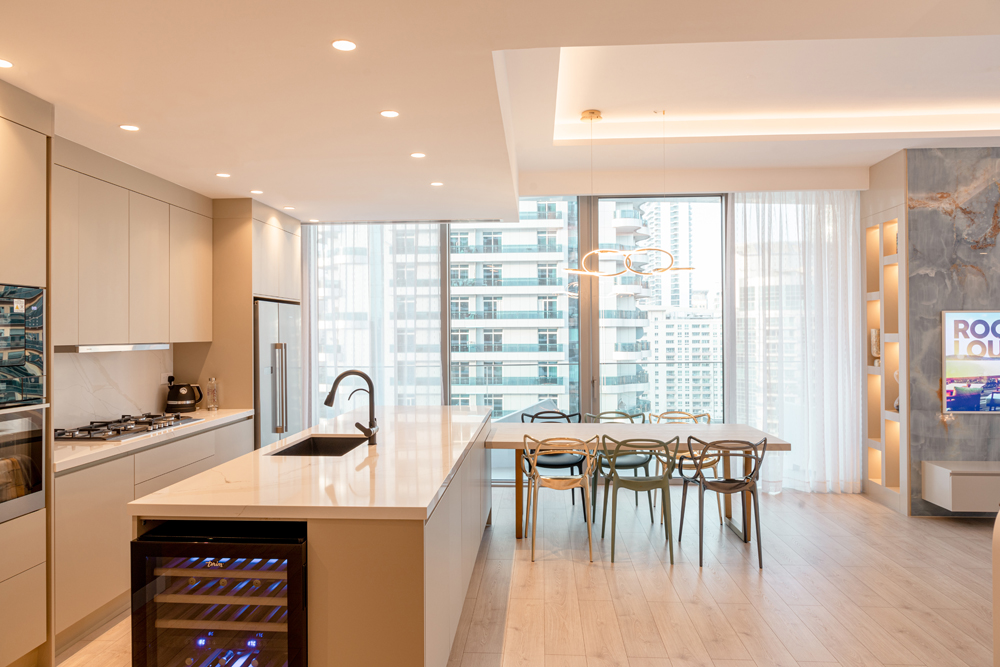
A minimalist kitchen is neat, functional, and easy to clean. Handle-less cabinets and open shelving create smooth surfaces and simple lines. Concrete-effect porcelain finishes add texture without looking heavy. Everything should have a place, and surfaces should stay as clear as possible.
Living Room
In the living room, focal points are important. Choose one feature to stand out, like a piece of art, a clean fireplace, or a well-placed light fitting. Use modular sofas that can be moved or changed to fit different needs. Wall-mounted storage helps keep floors clear and gives the room an open, flowing feel.
Office or Study
A minimalist office is intended to boost focus and productivity. The idea is for your desk setup to be clean by limiting it to essentials and using built-in shelving to store supplies out of sight. To add warmth without clutter, incorporate biophilic accents such as a small plant or natural wood elements for a subtle connection to nature
Bedroom
The bedroom should feel peaceful and uncluttered. A platform bed with hidden storage works well in a minimalist space. Use monochrome linens in calm colours to keep the look soft and tidy. Accent lighting, like wall lights or simple bedside lamps, adds warmth without taking up space.
Bathroom
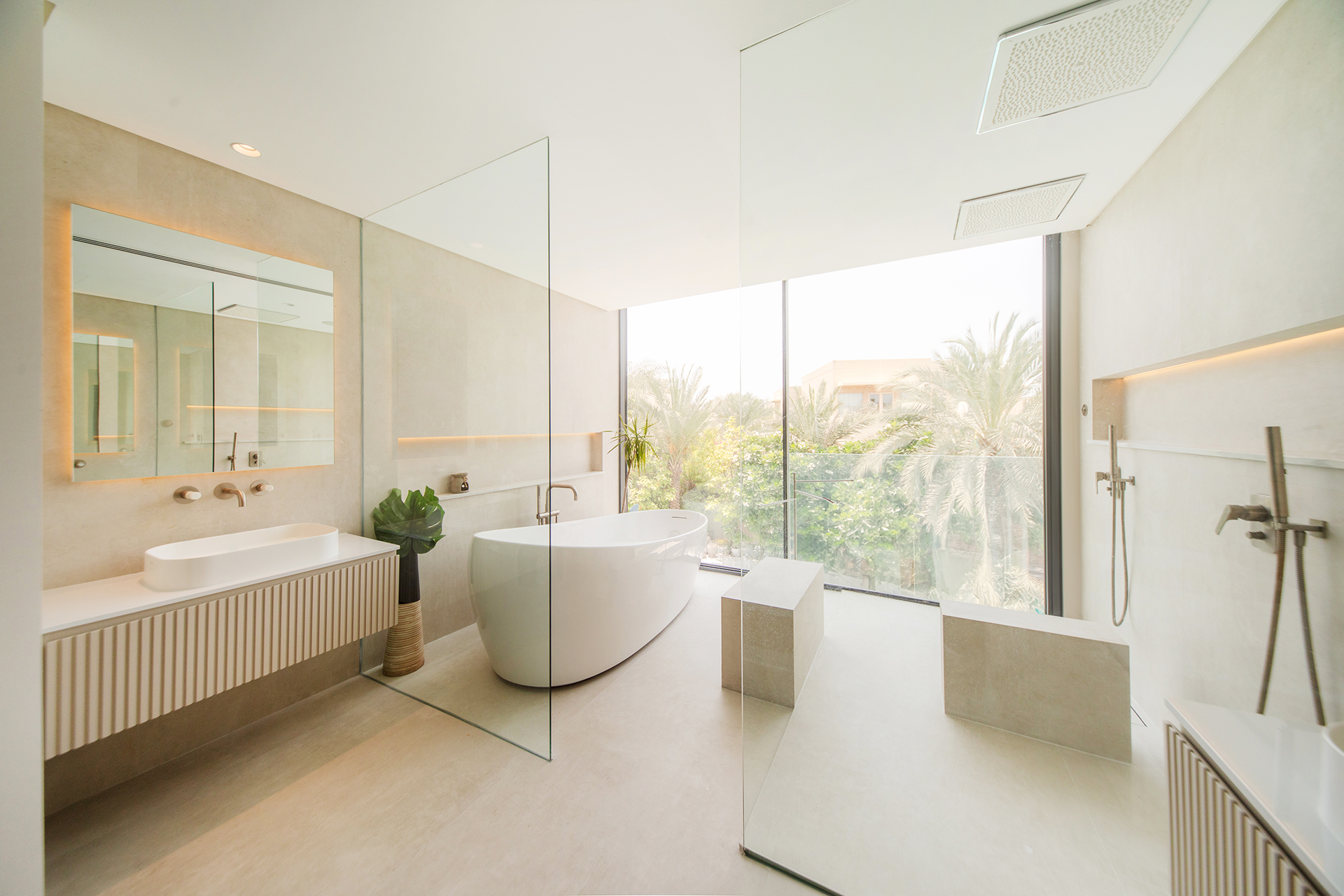
A minimalist bathroom design embraces functionality and simplicity to create a calm, uncluttered atmosphere. Floating vanities visually open up the space, while floor-to-ceiling or large-format tiles reduce grout lines for a seamless finish. Neutral colours and sleek fixtures complete the look, balancing practicality with timeless style.
Material and Surface Trends
The materials you choose show how a minimalist space feels. In 2025, the focus is on surfaces that offer both style and function: clean lines, low maintenance, and a quiet kind of elegance. Here are three surface trends that define minimalist interiors this year.
Natural Stone and Wood
Natural stone and wood add warmth and a sense of calm. Stone brings a solid, grounding feel to bathrooms and kitchens. Wood, whether in flooring, shelves, or furniture, adds softness and helps connect the space to nature. These materials age well and often get better with time.
Porcelain Slabs
Porcelain slabs are one of the top choices for minimalist homes in 2025. They are strong, easy to clean, and can be used on both floors and walls. Large-format slabs create a smooth, seamless look, which works well in open-plan spaces. They also come in many finishes, like concrete or stone effects, giving you style without fuss.
Textured Finishes
Textured finishes are also on trend. Microcement, matte paints, and linen-like fabrics give a room depth without making it feel busy. They help catch light in different ways and add a subtle interest to walls, furniture, and textiles.

Art and Décor in Minimalist Interior Design
In minimalist spaces, every piece of art and décor is chosen with intention and purpose. Rather than decorating every surface, a few carefully selected items are allowed to stand out. This approach creates a calm, uncluttered environment while still reflecting personality and style.
Examples of accent pieces that work well with minimalist interior designs:
- Monochrome or abstract art
- A single painting or framed print
- Sculpture
- Statement lighting
Choose art and decor that use simple shapes or colours, but still create a strong impact. Placing just one or two pieces on a clean wall can change the whole mood of a room.
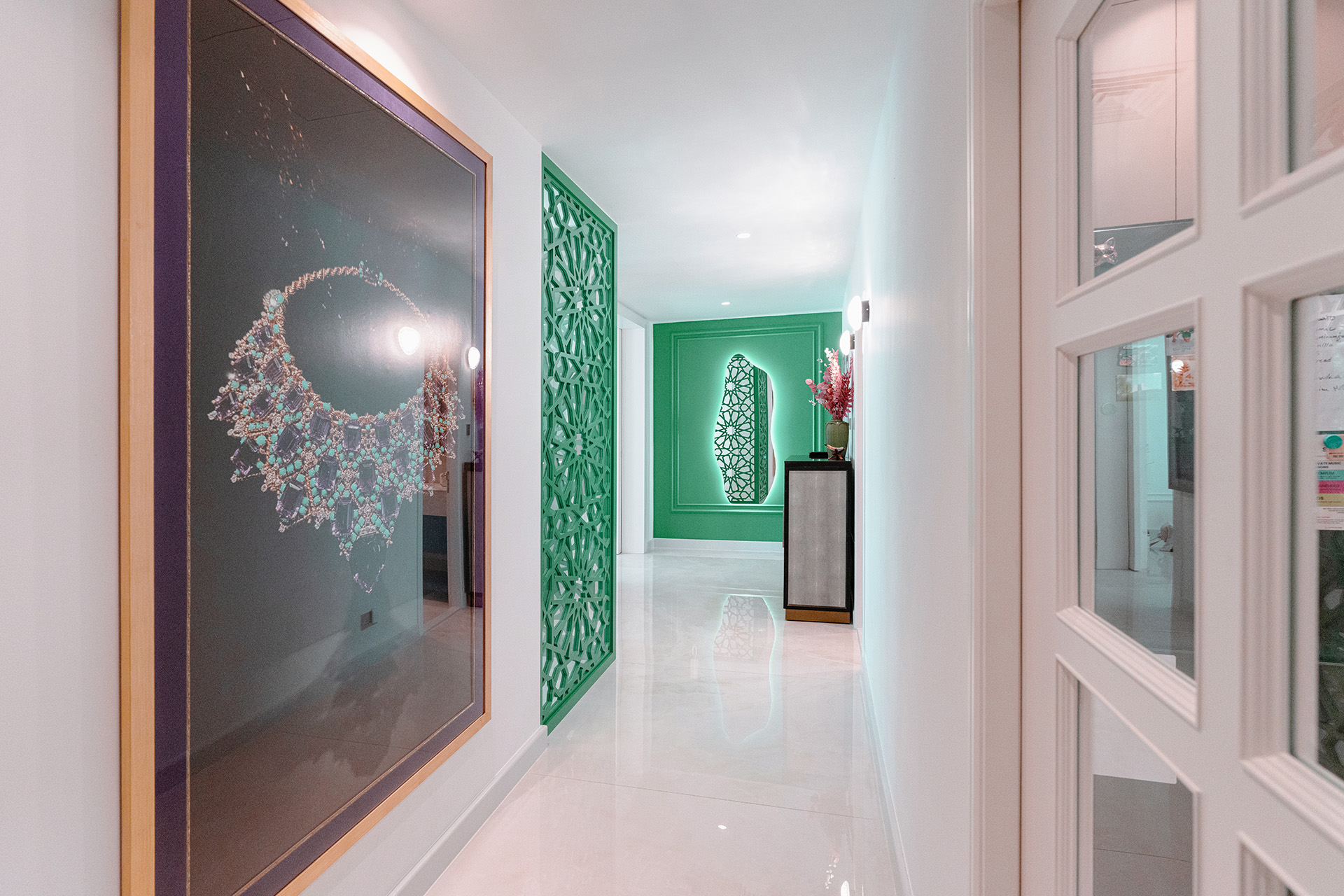
At Smart Renovation, we take time to handpick unique furniture, art, and décor from around the world. Whether it’s a one-of-a-kind chair, a handmade rug, or a sculptural light fitting, we help you find items that add meaning to your home. This kind of thoughtful sourcing ensures that every piece has a story and fits beautifully within your minimalist space.
Tips for Transitioning to a Minimalist Space
Moving towards a minimalist space doesn’t mean starting over. It’s about making small, thoughtful changes that help your home feel calmer and more useful. Here are a few simple tips to help you get started.
1. Start with decluttering
Go through each room and take a closer look at what you really use and enjoy. Remove items that no longer serve a purpose or don’t add value to your daily life. Clear surfaces, tidy storage, and open shelves can make a big difference right away.
2. Focus on quality over quantity
Choose furniture and décor that are well-made, comfortable, and built to last. A few strong pieces will always feel better than a room full of things you don’t really need.
3. Select timeless designs and versatile furniture.
Look for simple shapes and neutral colours that won’t go out of style. Furniture that can be used in more than one way, like storage benches or fold-out tables, is a smart way to keep your space flexible and open.
4. Let the space “breathe.”
Don’t feel the need to fill every wall or corner. Leaving some empty space gives the room balance and allows your chosen pieces to stand out.
With a bit of care and planning, you can create a space that feels lighter, easier to live in, and more in line with the way you want to live.
Frequently Asked Questions
Is minimalist interior design suitable for homes in the UAE climate?
Yes. Minimalist design works very well in the UAE. Clean lines, open layouts, and light colours help keep interiors cool and bright. Using materials like porcelain, stone, and wood also supports the natural airflow. Combined with sheer curtains and smart lighting, minimalist homes feel both calm and comfortable, especially in warm weather.
Can minimalist design make small flats or villas feel larger?
Absolutely. One of the main benefits of minimalist interior design is how it creates the feeling of space. By removing extra furniture and clutter, and using smart storage, your home can feel more open and easy to move around in. At Smart Renovation, we often use light colour palettes and multi-functional furniture to make smaller homes feel more spacious.
How much does a minimalist interior design project cost in Dubai or Abu Dhabi?
The cost depends on the size of your space, materials used, and level of customisation. Minimalism doesn’t always mean low budget; it means careful planning. At Smart Renovation, we guide you through options that focus on quality, durability, and purpose. We also offer tailored packages to suit your needs, whether for a studio apartment or a full villa renovation.
Is minimalist design too plain or cold for family homes?
Not at all. Minimalist design can be warm, welcoming, and highly functional for families. The key is in using soft textures, natural materials, and personal touches. We often add warmth through wooden accents, cosy textiles, and curated décor that fits your lifestyle without overcrowding the space.
Can I still include cultural elements or personal style in a minimalist space?
Yes, and we encourage it. Minimalism is being intentional. At Smart Renovation, we help clients include custom art, heritage pieces, or Arabic design elements in a way that complements clean, simple interiors.