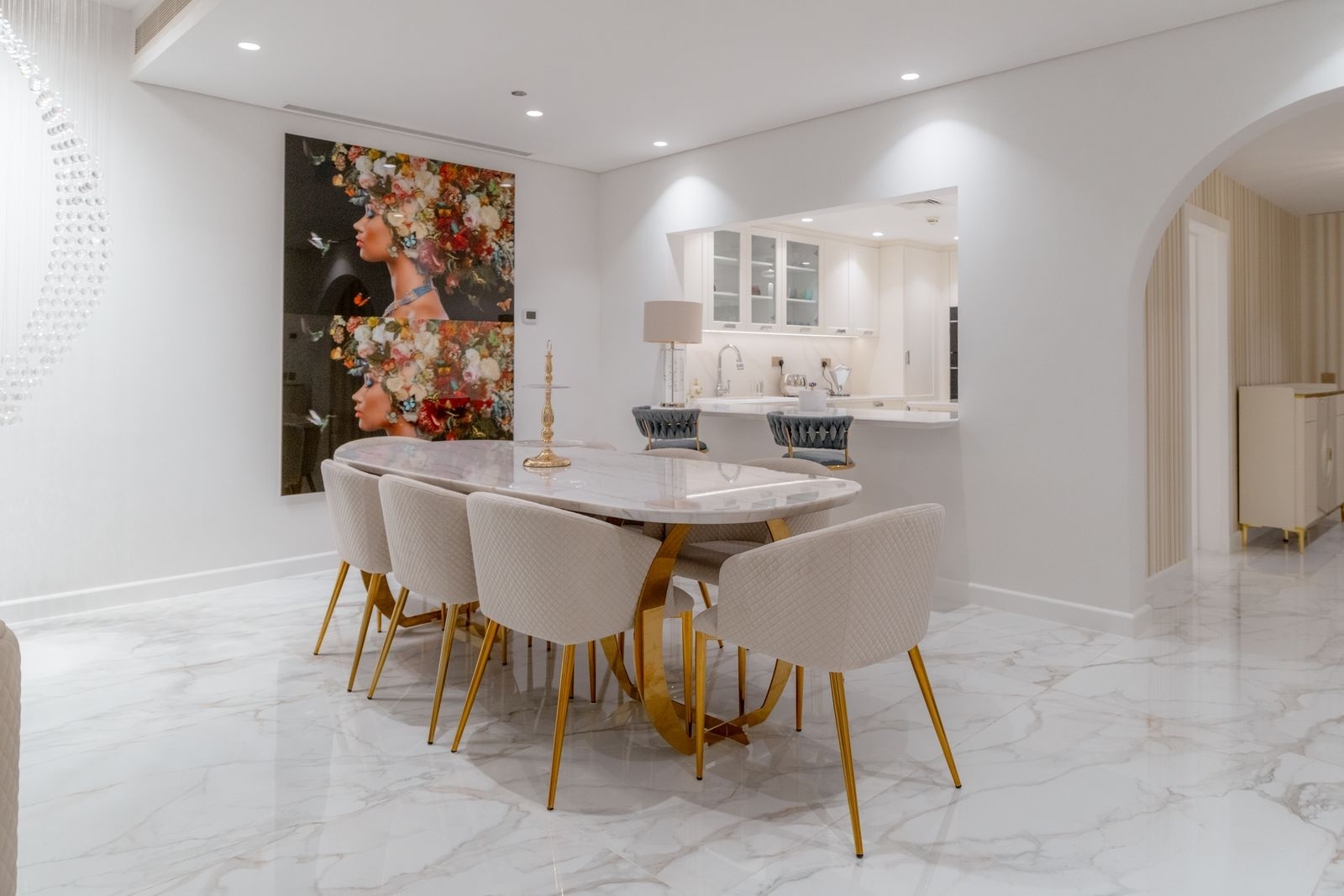
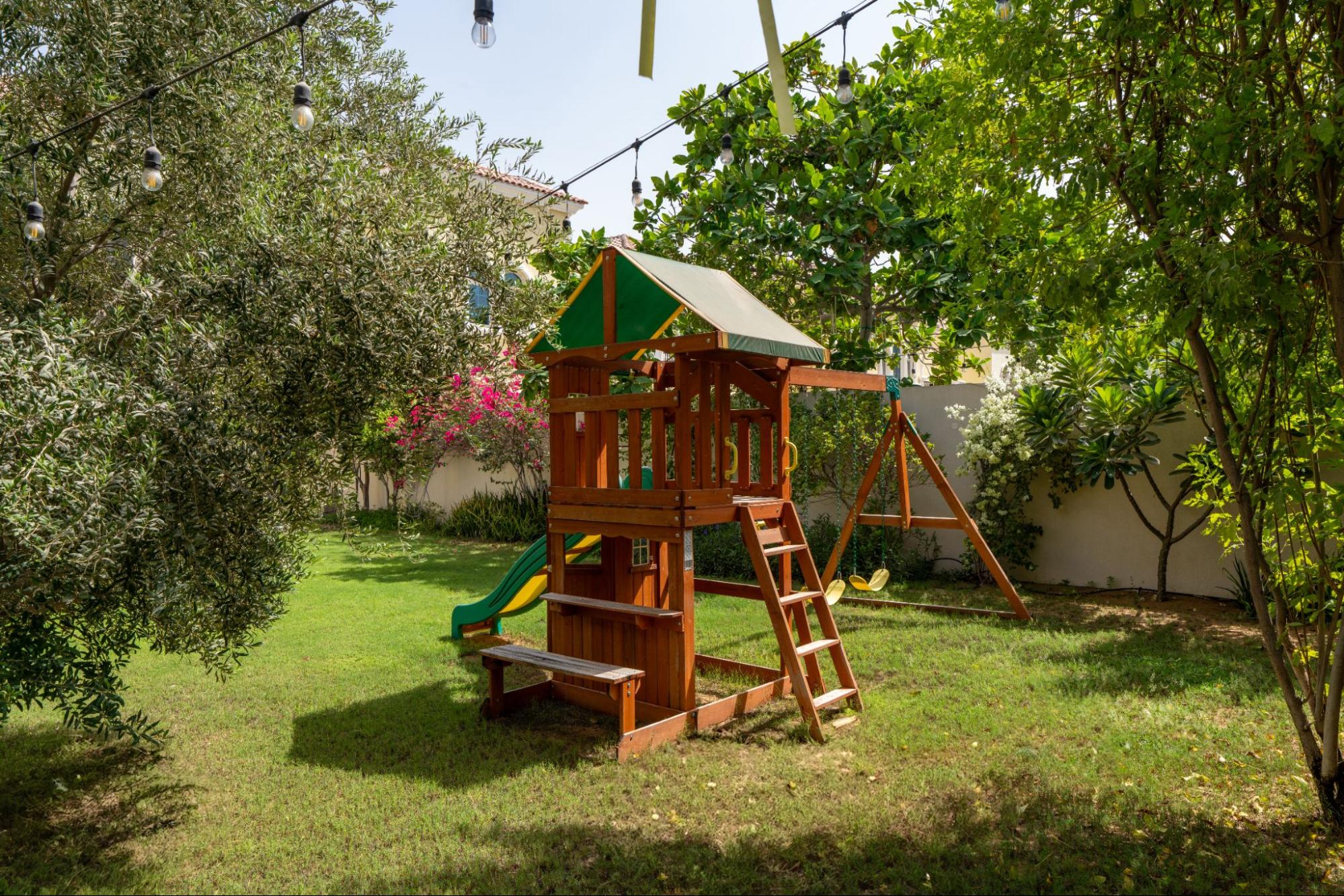
As Dubai city continues to grow, many homeowners are choosing to renovate rather than relocate, updating older villas or reimagining newer ones to better suit their lifestyle. With rising temperatures and shifting design expectations, it’s more important than ever to plan renovations that balance comfort, functionality and style.
At Smart Renovation, we take this a step further by managing every aspect of the renovation process, while also sourcing unique furniture, artwork and special pieces from around the world. Whether you’re redesigning a family home or preparing a villa for investment, staying informed on what’s ahead can help you make confident, lasting decisions.
In this article, we explore the key villa renovation trends to watch in 2025.
Villa Renovation Trends for 2025
1. Passive Cooling and Energy-Efficient Design
In the UAE’s climate, managing indoor temperatures is a constant consideration. For villa renovations in 2025, there’s a clear move towards passive cooling strategies, design choices that help regulate heat naturally, reducing the need for heavy air conditioning.
Shading and Heat Control
Fixed shading elements like roof overhangs, recessed seating areas and permanent pergolas are now integrated early in the design process. These features help limit direct sun exposure and keep outdoor areas usable throughout the day.
Smart Window Planning
South-facing windows are being reduced in size to minimise heat gain, while larger openings on the north side bring in light without the heat. Internal shutters and layered blinds provide added flexibility for temperature control.
Reflective and Insulating Materials
External walls are now often finished with reflective coatings in pale tones, such as off-white, sand or stone. These materials absorb less heat, keeping interior temperatures more stable. Roofs, too, are being fitted with light-coloured ceramic tiles or metal sheeting designed to deflect sunlight.
Cross Ventilation and Open Layouts
Older villas with compartmentalised layouts are being redesigned to allow better airflow. Corridors are widened, and openings are aligned to let air pass through naturally. Central courtyards and double-height spaces are becoming more common, supporting passive ventilation.
By combining these approaches, villa renovations are becoming more energy-efficient, offering comfort without compromising on design. These elements not only reduce reliance on mechanical cooling systems but also contribute to a quieter, more breathable home environment.
2. Natural Materials and Textural Finishes
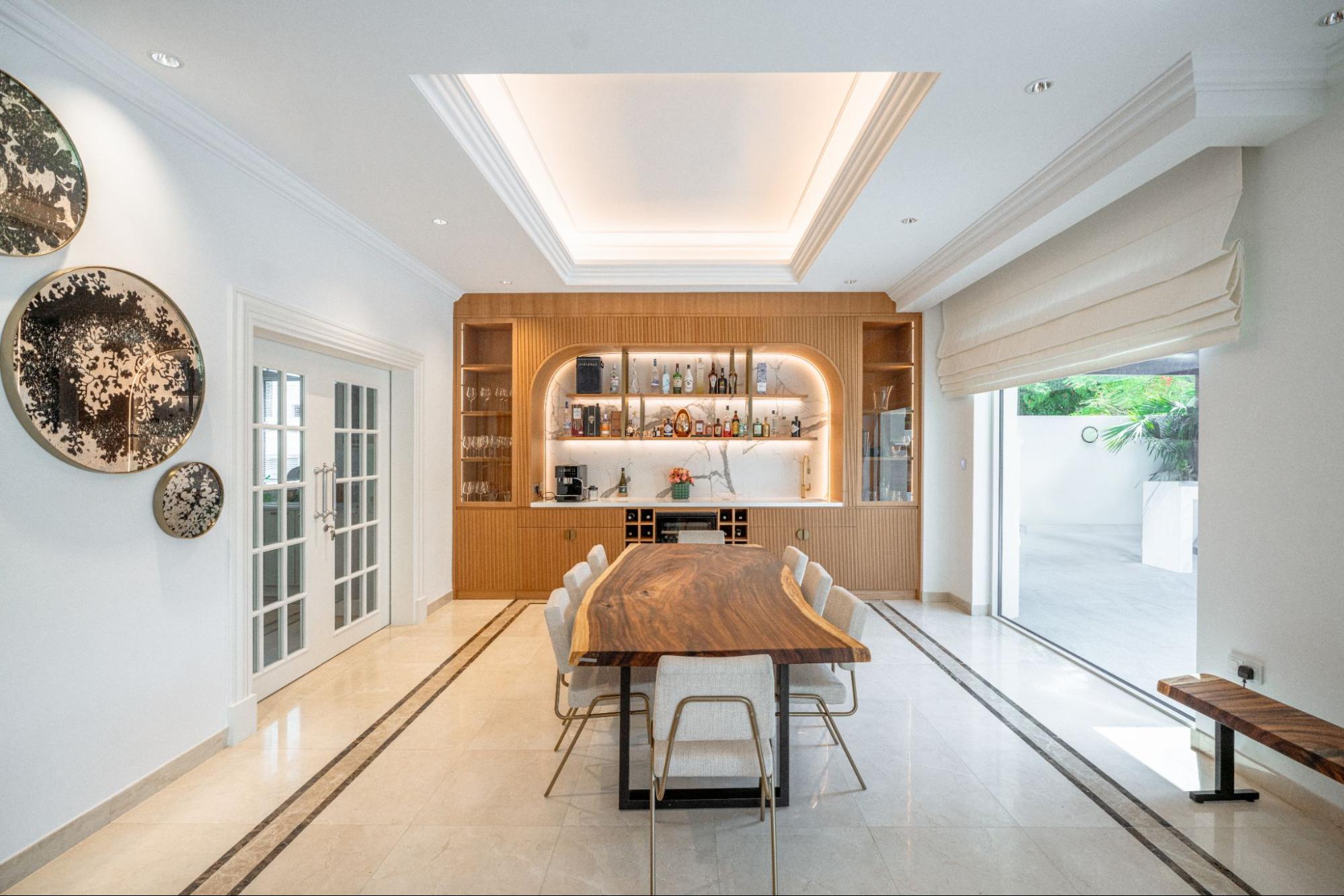
Interior finishes are shifting away from synthetic and overly polished materials, with a growing preference for surfaces that feel more grounded, breathable and natural. In 2025, villa renovations are placing emphasis on finishes that improve comfort and long-term durability, especially in Dubai’s warm, often humid environment.
Cooling Stone and Aggregate Flooring
Floors are increasingly being finished with materials like limestone, marble and terrazzo. These natural surfaces stay cooler underfoot and help regulate indoor temperature. They also offer a consistent finish across open-plan areas, which reduces the need for transitions between spaces.
Lime-Based and Clay Wall Finishes
Instead of standard painted drywall, many homes are opting for lime plaster or clay-based coatings. These finishes allow walls to breathe, resist moisture build-up, and age gracefully without frequent repainting. They also introduce subtle texture and depth to walls without relying on bold colours or patterns.
Timber Accents and Built-In Shelving
Full timber cladding is less common in high-heat environments, but natural wood is still widely used in smaller, intentional ways. Oak, ash and engineered timber are featured in shelving units, staircase detailing, and wall panels, particularly in quiet spaces like reading rooms or studies. Matte finishes help maintain a natural appearance and reduce light reflection.
Breathable, Heat-Resistant Fabrics
Soft furnishings are moving towards linen, cotton canvas, and other woven natural fibres. These materials are lighter, more breathable, and better suited to warm climates than synthetics. In renovated villas, you’ll see these fabrics used in upholstery, curtains, and cushion covers to create a relaxed and comfortable environment.
By focusing on natural materials, homeowners not only elevate the visual quality of their interiors but also make choices that support better indoor climate, easier maintenance, and a quieter, more grounded living space.
3. Outdoor Living as an Extension of Interior
Outdoor areas are no longer treated as occasional-use spaces. In today’s villa renovations, the garden, terrace and courtyard are seen as true extensions of the home, designed with the same level of attention given to interiors.
Pools, Water Features and Shallow Lounging Zones
Shallow sections for lounging, built-in bench seating, and wide access steps are all becoming standard. Water features like still basins, reflecting pools and low-maintenance ripple systems are also being placed near entrances and garden paths for visual calm.
Permanent Pergolas and Outdoor Structures
Instead of temporary umbrellas or fabric canopies, fixed pergolas are being integrated into the architectural layout. These structures, made from steel, timber or concrete, offer permanent shade and help define outdoor rooms. Many are fitted with louvred panels or screens that control sunlight throughout the day.
Outdoor Kitchens and Grilling Areas
Renovated villas now feature full outdoor kitchens, often built with masonry or steel cabinetry, under shaded roof structures. These areas are positioned close to indoor kitchens and dining zones, making them easy to access and suitable for daily use, not just special occasions.
Garden Showers and Mist Cooling Systems
To keep outdoor spaces comfortable during warmer months, many villas now include built-in garden showers and mist lines. These cooling features are installed along the edges of seating areas or within landscaped zones and can be controlled by timers or sensors. They offer relief from the heat without the need for additional construction.
When designed well, outdoor areas enhance the functionality and value of a villa. By blending these spaces with the interior in terms of materials, layout and circulation, the home feels more expansive, practical and enjoyable year-round.

4. Smart Homes with Environmental Control
As technology becomes more integrated into everyday life, villa renovations in 2025 are placing a strong focus on systems that offer comfort, efficiency and control. In Dubai, where managing energy use and indoor climate is essential, smart environmental systems are becoming a standard part of well-planned renovations.
Motorised Shades and Automated Glazing
Windows are now designed to adapt to changing conditions throughout the day. Motorised blinds, automated curtains and electrochromic (tinted) glass can reduce glare, maintain privacy and lower indoor temperatures, all without manual adjustment. These systems can be scheduled or connected to sensors that respond to sunlight and room temperature.
Zoned Air Conditioning Systems
Instead of one central cooling system for the entire home, villas are now divided into cooling zones. Bedrooms, kitchens and living areas are treated separately, allowing each space to be cooled only when needed.
Low-Energy Lighting with Usage Controls
Lighting systems are being upgraded with energy-efficient LEDs, dimmers and motion sensors. In most villa renovations, lighting is now designed based on how each space is used, warmer lighting in rest areas and brighter, focused lighting in work or kitchen zones. Grouped circuits and app-based controls allow for flexibility throughout the day.
Water Efficiency and Noise Insulation
Sustainability is also driving changes in plumbing and insulation. High-efficiency taps, showers and dual-flush toilets help reduce water usage without affecting performance. Greywater systems, where water from sinks and showers is reused for irrigation are starting to appear in larger renovation projects. In parallel, more attention is being given to acoustic comfort, with double-glazed windows, sound-absorbing wall panels, and underfloor insulation used to reduce noise transfer.
Smart environmental control isn’t only about technology, it’s about creating a home that responds to the people living in it. With thoughtful planning, these systems can improve comfort, reduce energy costs, and support a more sustainable lifestyle over time.
5. Personal Wellness and Productivity Zones
Modern villa design is increasingly shaped by how we live day to day. As routines shift and more time is spent at home, dedicated spaces for wellness, exercise, work and quiet recovery have become a priority. Villa renovations are moving beyond traditional layouts to include areas that support physical wellbeing and productivity, designed with privacy, comfort and flexibility in mind.
Home Spa and Wellness Rooms
Many homeowners are now choosing to convert unused rooms into wellness spaces. These areas may include steam panels, soft flooring, mineral-coated walls and built-in bench seating. Designed without screens or bright lighting, wellness rooms are intended for rest and quiet. Good ventilation, low lighting and natural finishes help to create a calming, spa-like environment within the home.
Compact Exercise and Yoga Areas
Even without a full gym, small fitness zones are being integrated into villas, often in corners of larger rooms, under staircases or in annex spaces. Cushioned flooring, wall mirrors and ceiling fans are common features, supporting stretching, yoga or free weight routines. These spaces are often designed for flexible use, adapting to different fitness needs over time.
Quiet, Functional Workspaces
With remote work now more common, home offices are being given more consideration during renovations. The focus is on separating these spaces from social or sleeping zones. Sound insulation, neutral backdrops and indirect lighting help improve concentration. Built-in desks and storage reduce clutter, while natural light is prioritised to maintain comfort throughout the working day.
Reading Nooks and Independent Guest Suites
Smaller features like window benches, alcoves or under-stair seating offer quiet areas for reading or relaxation. These zones are often enhanced with soft lighting and integrated shelving. Meanwhile, guest rooms with separate entrances and ensuite facilities are becoming more common, offering privacy for visitors without disrupting the main household.
By allocating specific zones for wellness and activity, villa renovations are improving daily life and also future-proofing homes for changing needs.

Planning and Budgeting Tips for a Successful Renovation
A well-designed villa renovation doesn’t happen by chance. It requires careful planning, clear priorities, and a realistic budget. Whether you’re updating a single area or taking on a full-home transformation, the success of your project depends on how well you prepare before any work begins.
Start with a Clear Vision
Before engaging contractors or designers, define what you want to achieve. Is your goal to improve functionality, increase resale value, or simply make the space more enjoyable for your family? Clear objectives will guide decisions around layout, materials, and timelines, and help avoid costly changes later on.
Understand the Local Regulations
In the UAE, villa renovations, especially structural changes may require approvals from developers, municipalities, or free zone authorities. Working with a professional team familiar with these processes will help ensure your project complies with all regulations, avoiding delays and fines.
Work with a Qualified Renovation Partner
Choose a team with local experience, a transparent approach, and a proven track record. Look for companies that offer end-to-end services, including design, project management and sourcing. This reduces coordination issues and keeps the renovation on schedule.
Set a Realistic Budget and Timeline
Break your budget into clear categories: design, materials, labour, permits, furniture and contingencies. A good rule is to set aside 10–15% for unexpected costs, like structural adjustments or material availability issues. Be realistic with timelines, especially if importing items or carrying out phased work.
Prioritise Quality Over Quantity
It’s tempting to renovate everything at once, but it’s often more effective to focus on a few well-planned upgrades using high-quality materials and craftsmanship. Good design lasts longer and requires less maintenance, which saves money over time.
Track Progress and Stay Involved
Even with a reliable team, it’s important to stay informed. Ask for regular updates, walkthroughs at key stages, and clear documentation of costs and changes. This allows you to spot issues early and stay confident in the direction of the project.
Conclusion: How 2025 Trends Lean Toward Eco-Luxury
Villa renovation in 2025 is defined by balance between indoor and outdoor living, beauty and function, tradition and innovation. From passive cooling to natural materials and smart environmental systems, today’s design choices reflect a growing focus on long-term comfort, energy efficiency and wellness. These trends represent a thoughtful shift toward sustainable, purpose-led homes that support modern lifestyles.
At Smart Renovation, we bring together project management expertise with a deep understanding of the UAE’s climate, regulations and expectations. If you’re ready to begin your transformation, we’re here to guide you through every step.

Frequently Asked Questions
What are the top villa renovation features to prioritise in Dubai in 2025?
In 2025, we’re seeing homeowners focus on passive cooling, open floor plans, and smarter environmental systems. Features like reflective roof materials, automated blinds, and zoned air conditioning are now part of many renovation briefs.
How can I make my villa more energy-efficient during renovation?
Start by rethinking window placement, shading, and airflow. Then, choose materials that help with insulation, like light-toned roof tiles and lime-based wall finishes. You can also upgrade to automated glass, install efficient lighting, and split your air conditioning into zones. These solutions help reduce running costs while keeping the home comfortable year-round.
Do I need approval to renovate my villa in Dubai?
Yes, most villa renovations, especially those involving structural changes, require approvals. This might include permissions from your community developer and the local municipality. At Smart Renovation, we handle this process for you as part of our full-service project management approach, ensuring compliance from day one.
How long does a typical villa renovation take in the UAE?
It depends on the size and scope of the work. A full villa renovation usually takes 3 to 6 months, while smaller upgrades may be completed in 6 to 10 weeks. Factors like material availability, permit approvals and custom furniture sourcing can affect the timeline. We provide a detailed schedule at the start of each project and manage every step to keep things on track.
Can I include imported furniture or artwork in my renovation plan?
Absolutely. In fact, many of our clients choose to personalise their villa with curated pieces from overseas. At Smart Renovation, we offer international sourcing for furniture, art and special décor items, ensuring that your finished space feels unique and tailored. We manage everything from procurement to installation.