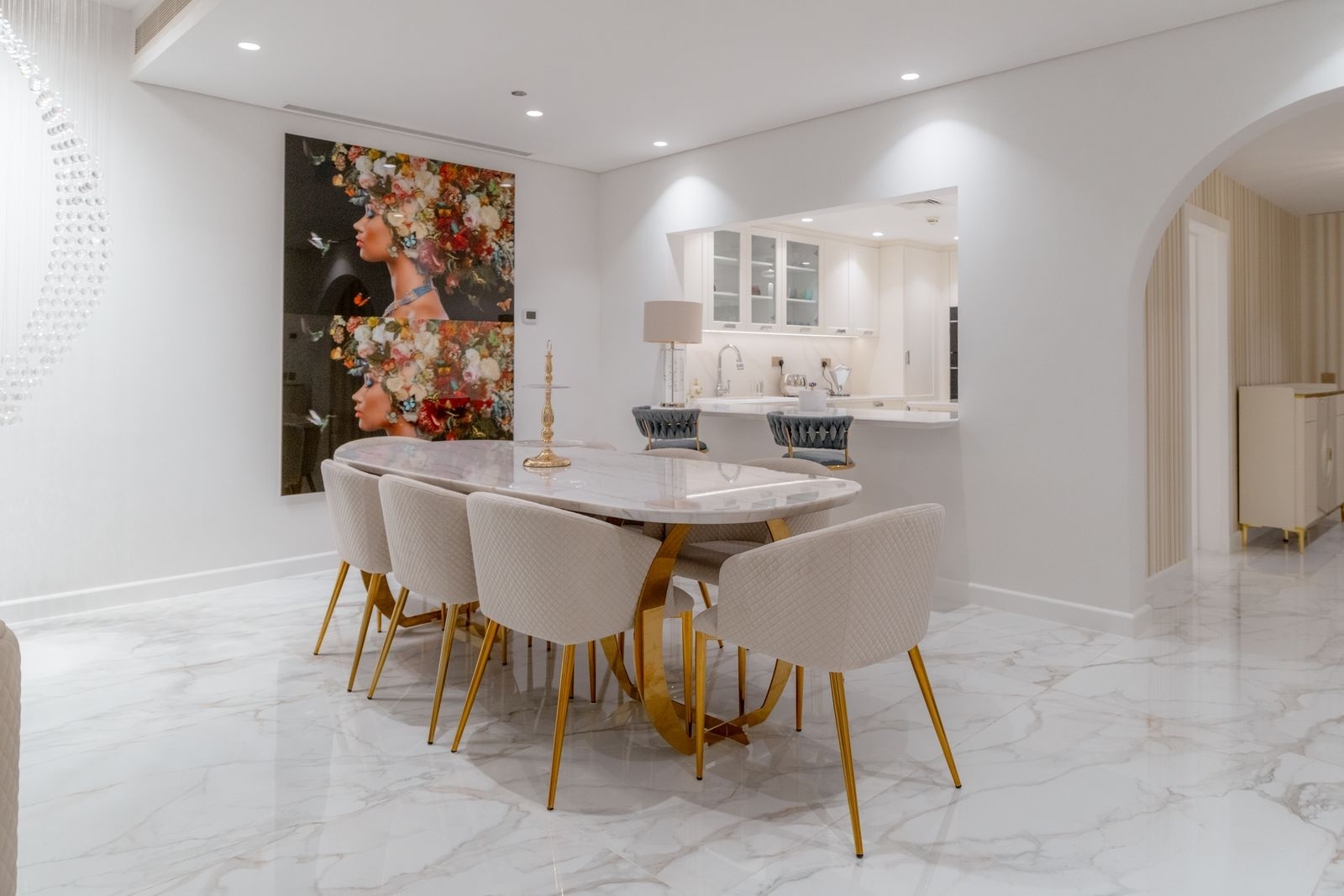
Good lighting design is about planning how light works with your furniture, colours, layout, and even natural daylight. Whether it’s a family villa, a compact apartment, or a modern office, lighting can completely change how a space is experienced.
That’s why working with an experienced interior designer matters. A well-planned lighting layout should always support both the design and the way the space is used. Without proper planning, lighting can feel off, either too strong, too dim, or simply not in the right place.
At Smart Renovation, we focus on bringing lighting design together with your overall style. We help you plan and complete lighting that fits your home or workplace, and we support this with curated art, special furniture, and imported pieces that match your vision.
The Three Core Types of Lighting
Lighting in interior design is usually grouped into three main types: ambient, task, and accent. Each one serves a different purpose and works best when used together.
1. Ambient Lighting
Ambient lighting is the base layer of light in any room. It’s the soft, even light that fills the space and helps you see where you’re going. It sets the overall mood of the room, whether it’s warm and relaxed or bright and fresh.
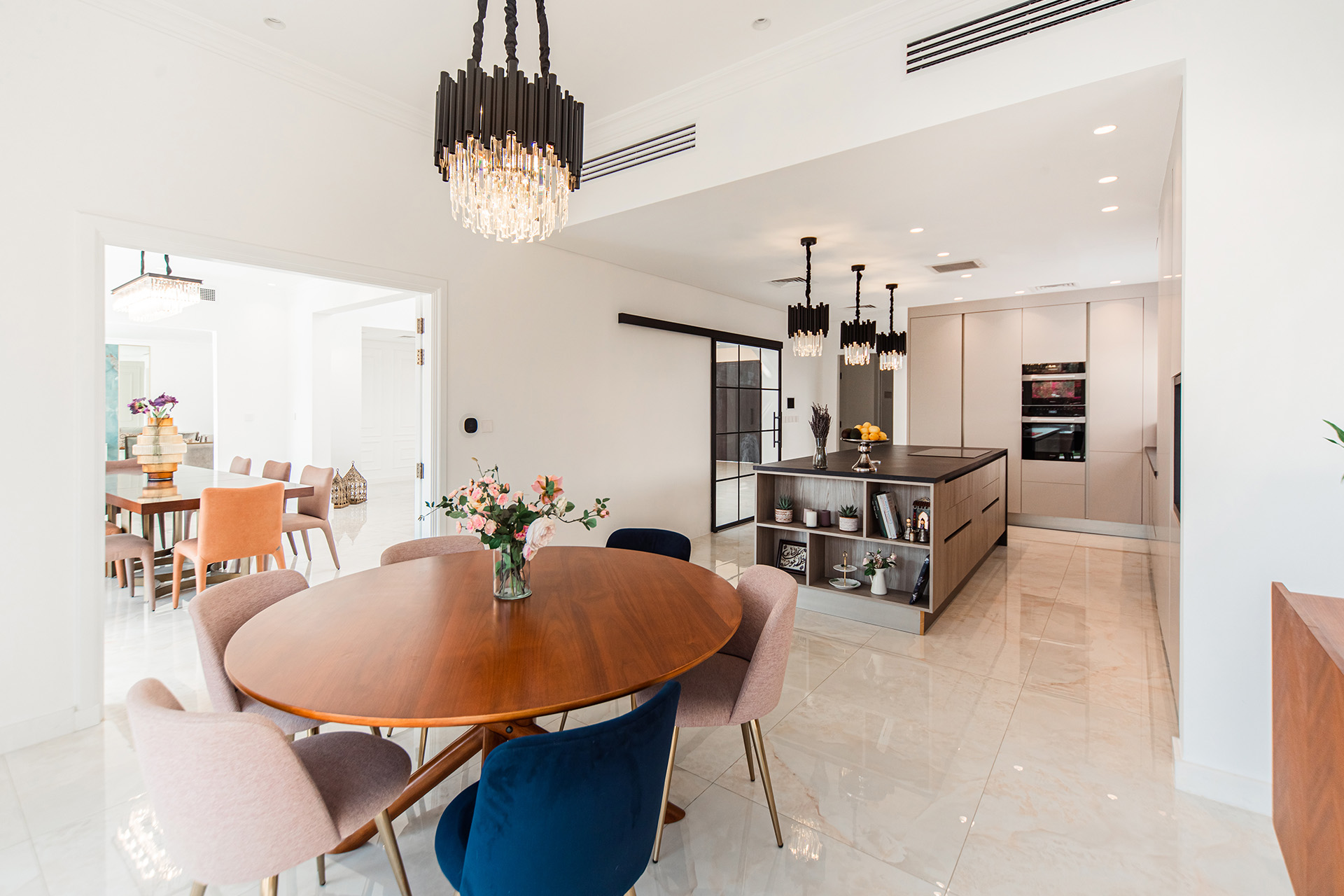
This type of lighting often comes from ceiling-mounted lights, chandeliers, pendant lights, or recessed fixtures. For example, in a living room, ambient lighting might come from an ample ceiling light in the centre of the room, giving enough light to move around safely and comfortably.
Integrating these innovative features into bathrooms allows you to be resourceful while adding a layer of convenience and luxury. Many of these upgrades can be retrofitted into existing bathrooms, making them practical for both new builds and renovations.
2. Task Lighting
Task lighting is brighter and more focused. It’s used in areas where you need to see clearly to carry out a specific activity. This could be reading, cooking, writing, or working at a desk.
Examples include a reading lamp beside a sofa, under-cabinet lights in a kitchen, or a desk lamp in a study. These lights should be placed close to the work area so the light goes exactly where it’s needed.
3. Accent Lighting
Accent lighting is used to draw attention to something. It doesn’t light the whole room, but it helps create interest and focus. It can be used to highlight artwork, textured walls, shelves, or architectural features.
Spotlights, picture lights, and wall washers are common examples. You might see a spotlight shining on a painting, or a light placed under a floating shelf to make it stand out. Accent lighting also adds depth and shape to a room when used with ambient and task lighting.
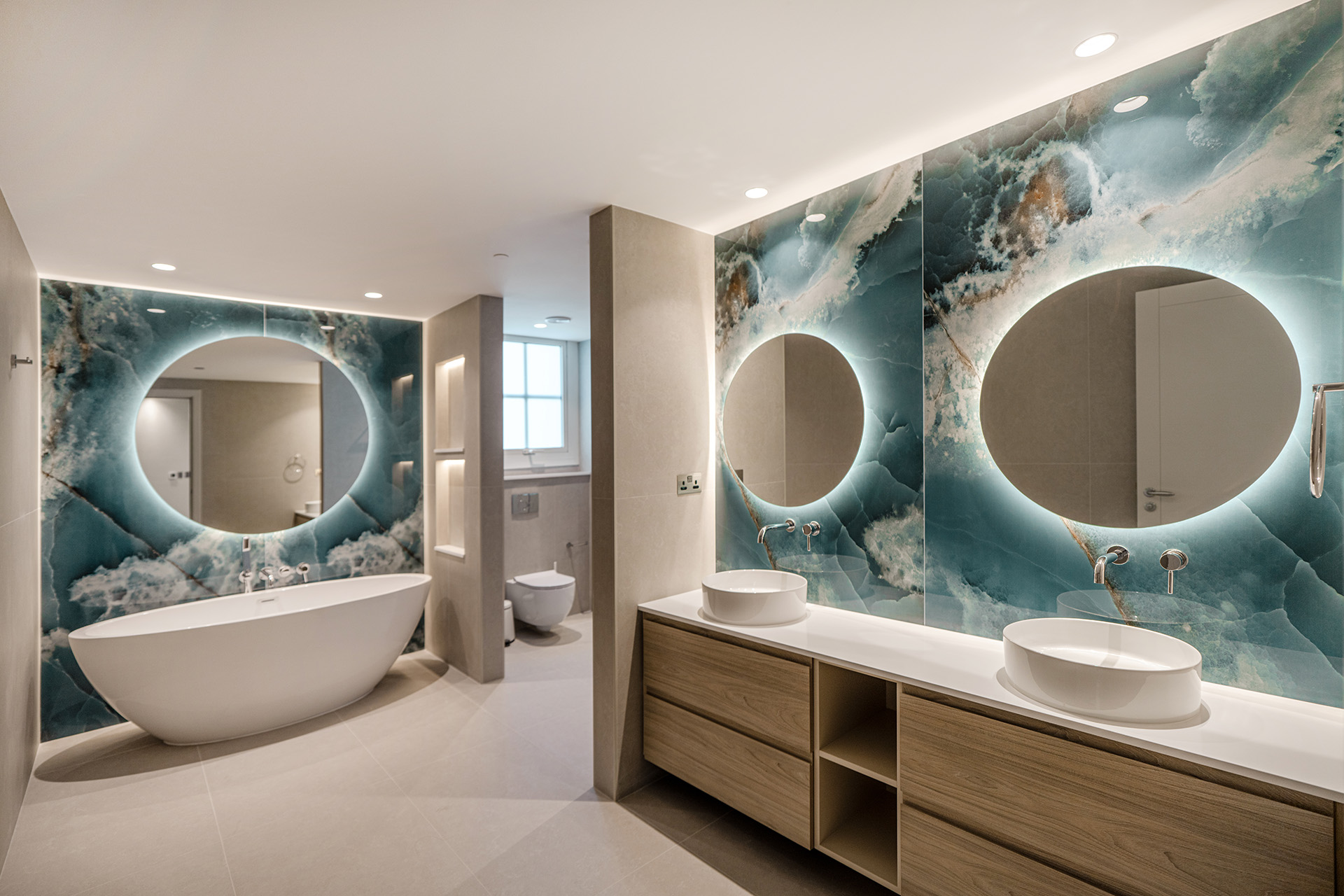
Balance is key when incorporating bold tiles and statement walls. By selecting one or two standout features, you create a striking focal point without overwhelming the space. With the right mix of colours, patterns, and textures, the bathroom evolves from purely functional to beautifully expressive.

Principle of Layered Lighting
Layered lighting involves combining different types of lighting in the same space. It helps balance the light in a room, so it works well and feels right at different times of day.
By combining ambient, task, and accent lighting, you create depth and flexibility. A single overhead light often isn’t enough. It might light the room, but it won’t support detailed tasks or highlight features in the space.
Sample Design Application of Layered Lighting:
Kitchen Interior Fit-Out:
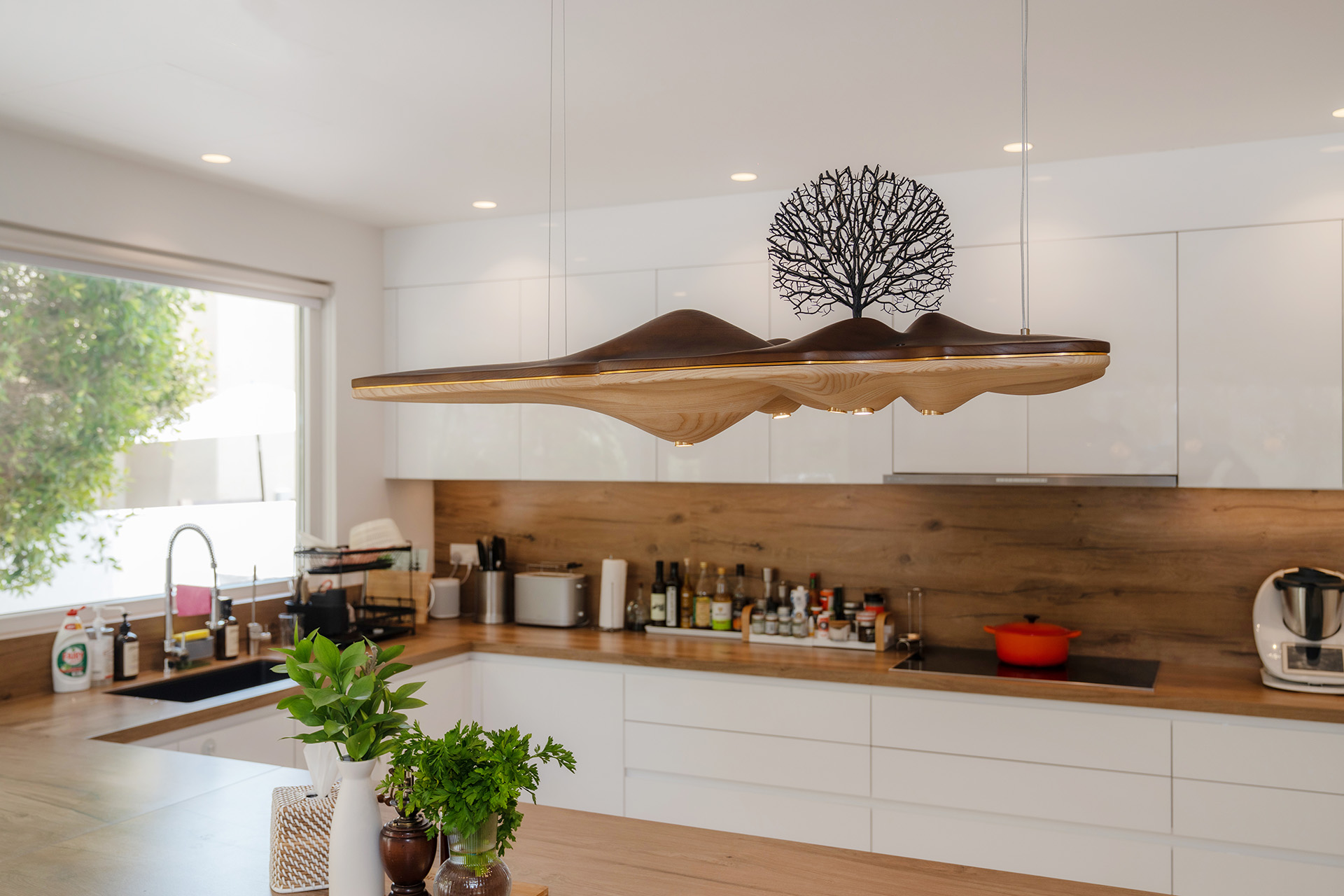
Ambient lighting may come from ceiling spotlights, while task lighting may be added under the cabinets to help with food preparation. For accent lighting, consider fixtures or statement pieces that can be used to highlight a backsplash or shelving. Together, these layers work to make the space both functional and visually complete.
Living Room:
Start with ceiling lights or track lights for general brightness. Add a floor lamp near a reading chair, and use wall-mounted lights to highlight artwork. This way, each light has its job, but all work cohesively.

Light Quality and Colour Temperature
The quality of light affects how we see colours and how a space feels. The CRI, or Colour Rendering Index, measures and determines the quality of a light source based on its ability to accurately display the true colours of materials, fabrics, and art. For instance, in areas where detail and colour accuracy matter, such as living rooms, wardrobes, or spaces with artwork.
Another key factor is colour temperature, which is measured in Kelvin (K). It tells you whether a light appears warm or cool:
- Warm lighting (2700K to 3000K):
Soft, yellowish light. Suitable for bedrooms, lounges, and dining areas. Helps create a calm and comfortable atmosphere. - Cool lighting (4000K to 5000K):
Bright, neutral-toned light. Ideal for kitchens, bathrooms, and offices where clear visibility and focus are needed.
Selecting the right light quality and temperature supports both the function and mood of each space. This is an essential step in any interior fit-out, whether residential or commercial.
Fixture Selection and Aesthetics
Lighting fixtures are part of your interior style. The design, shape, and material of each fixture should match the rest of the space.
Fixture suggestions based on interior design style:
- Modern: Simple lines and clean finishes, such as matte black or brushed brass, work well.
- Classic: Consider chandeliers, detailed wall sconces, or fittings with antique tones.
- Industrial: Use exposed bulbs, metal shades, or concrete finishes.
- Luxury: Look into imported or custom lighting that can serve as statement pieces.
Size also matters. A small pendant might get lost in a large room. An extensive fitting could feel too heavy in a small space. Always think about the height of the ceiling and the scale of the furniture nearby.
Lighting Placement and Distribution
Where lights are placed in a room matters as much as the type of light you choose. Good placement helps avoid uneven lighting, like dark corners or overly bright areas, and creates a space that feels balanced.
Design Tips for Choosing The Right Lighting
- Consider how the room will be used and what needs to be visible.
- Place ambient lighting so it spreads evenly across the space.
- Use task lighting in specific areas, such as over a kitchen island or beside a bed.
Lighting Direction and Effects:
- Uplighting: bounces light off the ceiling, making a room feel taller.
- Downlighting: directs light downwards and is well-suited for both general and task lighting.
- Wall washing: spreads light across a wall to show texture or artwork.
In any interior fit-out, planning your layout before installation is key. It helps avoid shadows, glare, or wasted light, and makes sure each area gets what it needs.

Lighting Control Systems for Modern Living
Smart lighting gives you more control and flexibility. You can adjust brightness or colour, set schedules, or change the mood, all from a phone or voice assistant.
Here’s how different features of smart lighting can be used to improve comfort and control in everyday spaces:
- Dimmers let you soften the light for evening use or increase brightness for detailed tasks
- Motion sensors turn lights on or off automatically when movement is detected, ideal for hallways, bathrooms, or wardrobes.
- Zoned lighting enables the separate control of different areas within a single space, making it particularly useful in open-plan layouts or multifunctional rooms.
Some systems allow you to save scenes, for example, “dinner mode” with warm, dimmed lighting over the table, or “reading mode” with task lighting in the corner. These setups work well for modern interiors and are easy to update as your needs change.
Energy Efficiency and Sustainability
Choosing efficient lighting that allows you to reduce power consumption supports a more sustainable interior. Fixtures made from recycled or low-impact materials are another way to lower your carbon footprint.
Examples of Energy Efficient Lighting include:
- LED lights: Use less energy than traditional bulbs and last much longer. They are now available in many styles and colour temperatures, so there’s no need to compromise on design.
- Sensor-based lighting: Ideal for homes across the UAE where sun exposure is high. Motion sensors help avoid lights being left on, while daylight sensors can adjust brightness depending on how much sunlight is coming in.
Using smart timers or setting schedules is a simple but effective way to make a home more efficient without affecting comfort or style.
Mood and Well-being: Lighting for the Human Experience
Lighting has a strong effect on how we feel. It can support rest, focus, or calm depending on how it’s used.
Circadian Lighting
Designed to follow the body’s natural rhythm, circadian lighting utilizes cool and natural light during the day to boost energy and focus, and warmer, dimmer tones in the evening to support rest. This approach is constructive in bedrooms, home offices, or any space where balance is essential.
Blue Light
Found in many cool-toned bulbs, blue light can keep the brain alert. Reducing this type of light in the hours before sleep can help improve rest. In interior fit-outs for homes, we often use dim-to-warm lights or smart bulbs with time settings.
When lighting is planned with well-being in mind, it becomes part of daily comfort, helping people feel better in the spaces where they live and work.
Frequently Asked Questions
What’s the best type of lighting for open-plan villas in the UAE?
In large, open spaces like villas, layered lighting is the best approach. Use a mix of ambient lighting (such as recessed ceiling lights), task lighting (like pendant lights over kitchen islands), and accent lighting (for artwork or wall textures).
How do I choose lighting that complements my interior style?
Start by matching the finish and shape of the fixture to your space. For modern interiors, go for clean lines and simple finishes like matte black or brushed brass. For more traditional styles, decorative chandeliers or wall sconces work well. At Smart Renovation, we also help clients import unique pieces, especially when you’re looking for something custom or not found locally.
Are smart lighting systems really worth it for homes in the UAE?
Yes, especially in the UAE, where modern lifestyles and open-plan designs benefit from flexibility. Smart systems let you control lights through your phone or voice, set different moods (like “reading” or “dinner”), and save energy with timers or motion sensors.
How can I reduce electricity use with my lighting design?
LED lights are the most energy-efficient option available today. They last longer and use much less power than traditional bulbs. We also recommend motion sensors in places like corridors or storage rooms, and using natural daylight where possible, especially in homes with large windows.
What lighting is best for wellness and sleep in bedrooms?
In bedrooms, lighting should support calm and rest. Choose warm lights (2700K–3000K) for bedside lamps or main fixtures. Avoid strong blue-toned lights in the evening, as these can disturb sleep. You can also use circadian or dim-to-warm smart bulbs that change throughout the day.