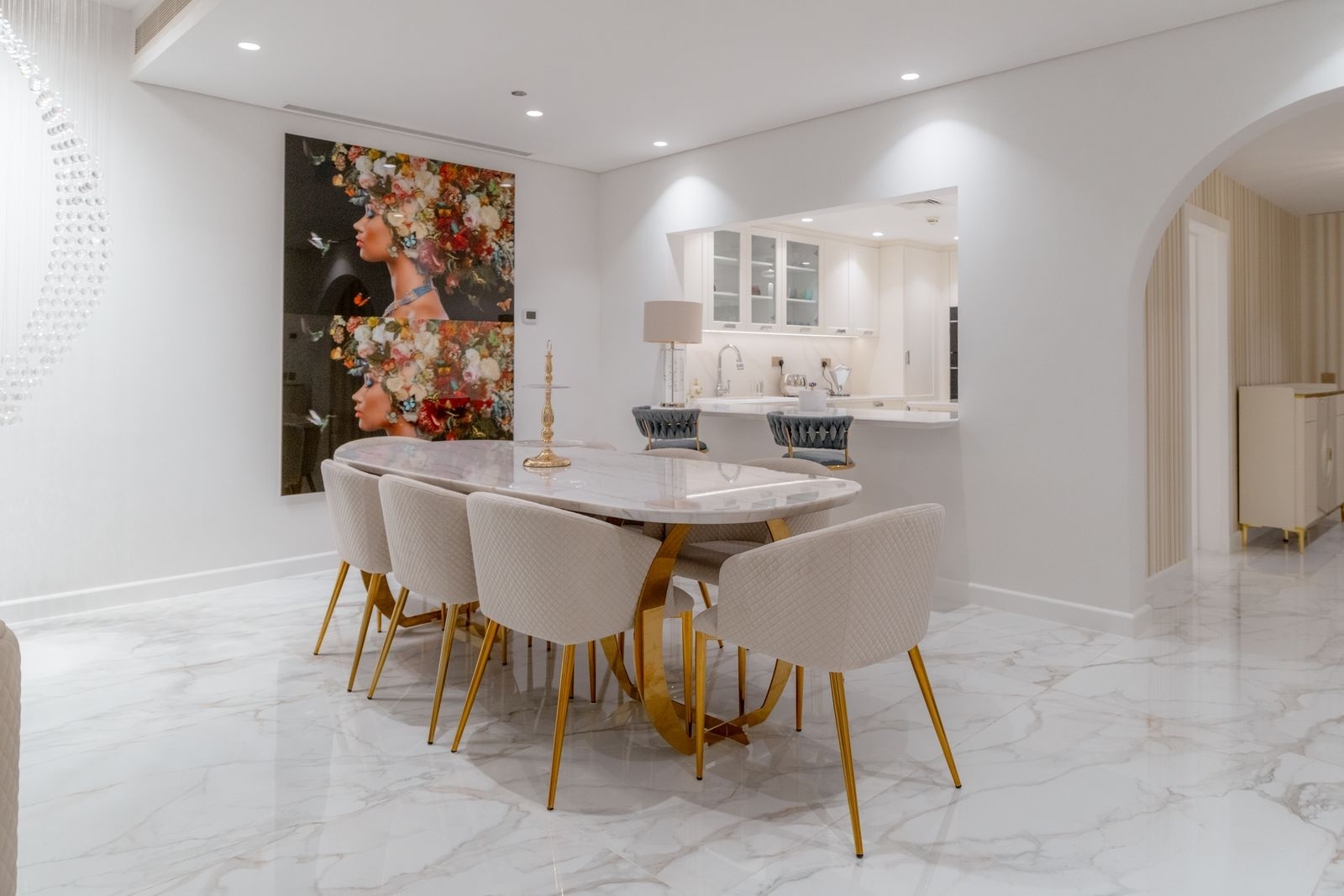
Choosing the right swimming pool shape and size is more than a design decision, it’s about how the space will be used and experienced. The pool should feel like a natural extension of the home, working with the property’s layout, architectural style, and outdoor environment.
A well-designed pool also considers how furniture, landscaping, and even artwork interact with the space. These elements come together to create a setting that feels complete. In this guide, we’ll walk through the most common pool shapes and sizes, and how to choose what’s right for your space and lifestyle.
Key Considerations Before Choosing a Pool Shape
Choosing a swimming pool shape is an important decision. It shouldn’t be based on personal preference alone. The shape should reflect how the outdoor space will be used and what will work best over time. Below are four key factors to consider when deciding which pool shape is right for your project.
Available Space and Property Layout
The size, proportion, and orientation of the outdoor area will directly affect what pool design is possible. Some plots have limited width or unusual angles, while others may have existing patios, trees, or built structures to work around.
You’ll also need to consider access points, how people move through the garden, and how much space you want to leave for landscaping or seating. The pool should feel like it belongs, not squeezed in or disconnected from the rest of the space.

Architectural Style
The design of the home often sets the tone for the entire outdoor space, including the pool. A pool that doesn’t match the home’s architecture can feel out of place, no matter how well it’s built. Look at the home’s lines, finishes, and proportions. Think about whether the building is traditional, modern, minimalist, or detailed.
The pool should echo that same language through layout, symmetry, and materials, so that everything feels connected.
UAE Climate and Outdoor Living Trends
In the UAE, pools are often used for most of the year, not just during the summer. This makes their usability and comfort even more important. Orientation matters, too much sun can make the pool too hot, while too little can limit its appeal in cooler months. You’ll also need to factor in wind direction, privacy from neighbours, and shade solutions.
Many residents are also choosing to blend indoor and outdoor living, so the pool area often becomes an extension of everyday life, not just a weekend feature.
Budget and Materials
Budget impacts both the design and long-term value of a pool. The more complex the structure, the more time and resources it may require. Material choice plays a big role. Concrete allows more flexibility but usually comes with higher cost and longer construction time.
Pre-formed options like fibreglass or vinyl can reduce both time and cost but may offer fewer design options. Maintenance, repair, and running costs should also be considered from the beginning.
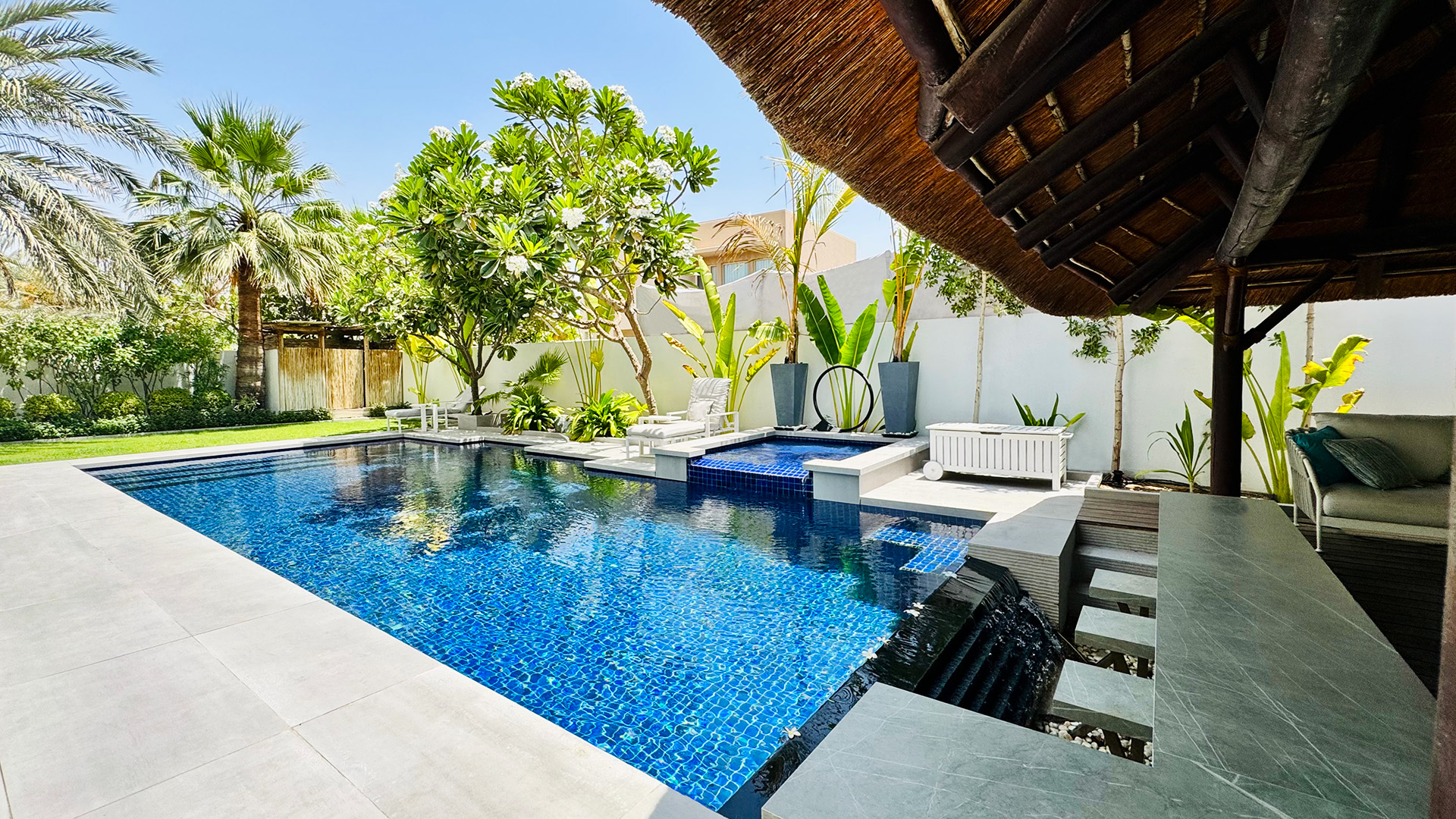
9 Popular Swimming Pool Shapes
The shape of a swimming pool affects how it fits into a space and how it connects to the surrounding architecture. Below are nine widely used shapes, each with practical benefits depending on the property layout, purpose, and design style.
1. Rectangular
A rectangular pool is simple, efficient, and versatile. Its clean lines make it easy to position alongside the home or garden, and it aligns well with most architectural styles. It’s a practical choice for those who want a pool for swimming laps or fitting into a narrow or symmetrical space.
A rectangular shape allows for clear zoning, making it easy to include shallow lounging areas, steps, or a consistent depth for exercise. However, it may feel too formal for some outdoor spaces, especially if the surrounding landscape has curved or irregular lines.
2. L-Shaped and T-Shaped
These shapes allow the pool to serve more than one purpose. The longer arm provides space for swimming or movement, while the shorter section is often used for relaxation or shallow seating. L-shape pool is a useful option for families or anyone who wants to create distinct zones within the same pool.
It also works well when the pool needs to wrap around patios, buildings, or other landscape features. While this design supports varied use, it usually requires more space and careful planning to ensure both arms of the shape are functional and well-proportioned.
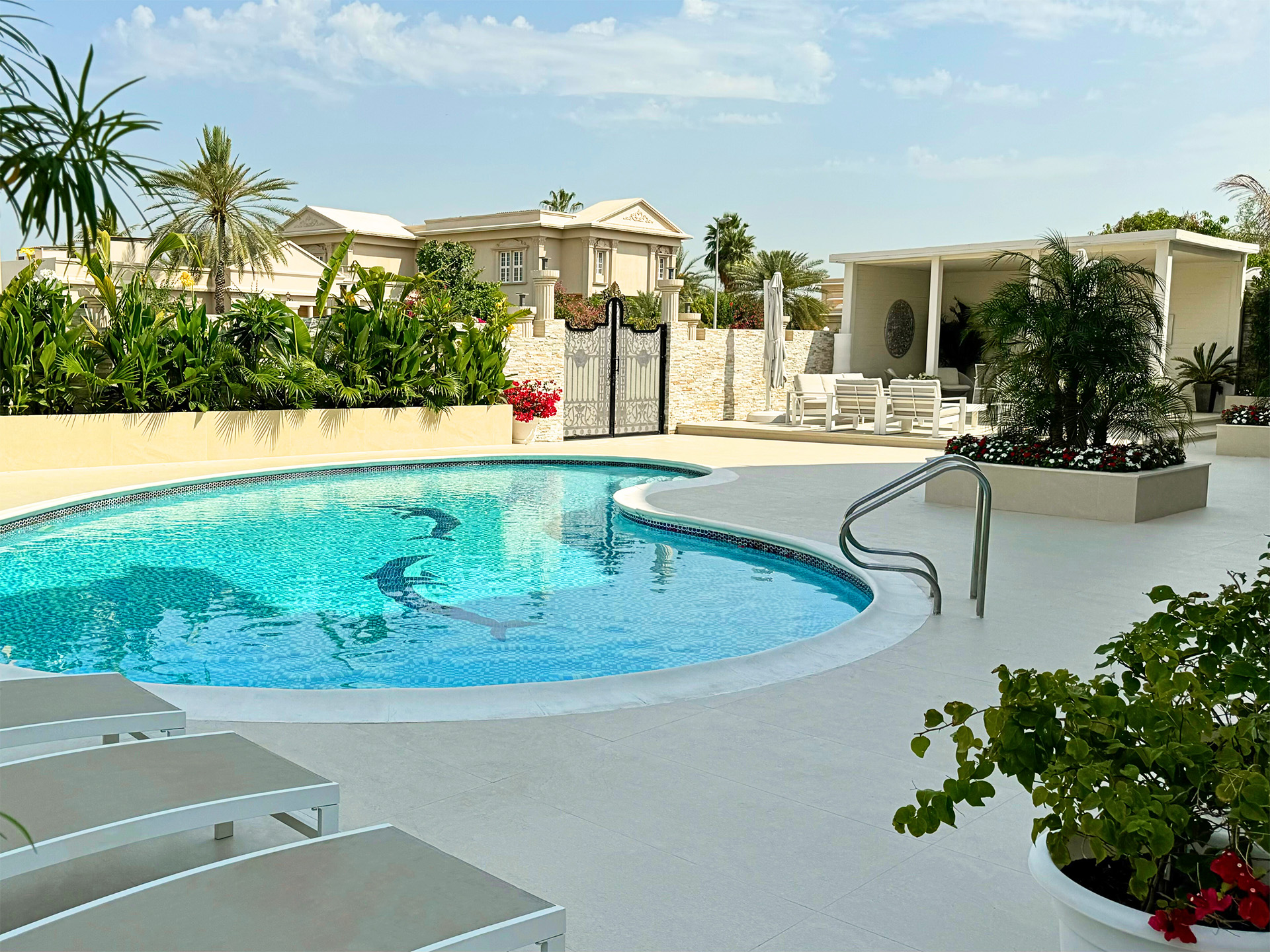
3. Kidney-Shaped
With its gentle, curved design, a kidney-shaped pool offers a more organic feel. It suits spaces where a softer look is preferred or where the pool should blend with planting, garden features, or flowing architecture.
The shape creates a natural division, which can help define a shallow area from a deeper one, and the inward curve can be used for seating or built-in features. While this design is visually appealing and space-efficient, it may not suit more structured or linear garden layouts, and the curved edges can limit swim lanes or furniture placement along the border.
4. Moon-Shaped Pools (Crescent or Half-Moon)
A moon-shaped pool has a curved, sweeping form that can add calmness and movement to the space. They work well as visual features, especially when viewed from elevated areas or across a patio.
A moon shaped pool can wrap around decks or seating zones and creates a strong focal point, particularly when paired with minimal landscaping or subtle lighting. This design is best suited for homeowners looking for something distinct, but still elegant and refined. Due to its non-standard shape, it may require more custom construction and is less flexible when it comes to adding symmetrical features or pool covers.
5. Freeform
Freeform pools are shaped to suit the site rather than following fixed lines or angles. They are often used in gardens with existing trees, slopes, or irregular layouts, and can help the pool feel more integrated with its surroundings.
The freeform design allows for creativity; pools can follow natural contours, weave between features, or be made to feel like a lagoon or pond. It is especially useful where the goal is to make the pool look like part of the landscape, not just a structure placed within it. However, the freedom of shape may come at the cost of clear swim zones or ease of maintenance.
6. Geometric
Geometric pools use strong lines and structured layouts, such as squares, rectangles, and sharp angles. The geometric shape suits modern or contemporary homes, especially those with clean architecture or minimal landscaping. It creates order and can enhance the symmetry of the space, particularly in properties where visual balance is a design priority.
The layout works well with features like step decks, LED lighting, or raised walls. The structured shape is ideal for showcasing materials or finishes, but it may not feel as relaxed or organic in more traditional or garden-style settings.
7. Roman and Grecian
These pools are based on rectangular layouts but with classical adjustments, rounded ends for Roman designs and angled corners for Grecian ones. Both shapes offer a formal, balanced look that works well with traditional or Mediterranean-style properties.
Roman and Grecian often suit larger homes or villas with expansive outdoor areas and stonework. The strong symmetry gives them a timeless presence, and they provide opportunities for decorative coping, columns, or classical water features. They are less common in smaller gardens due to their size and formality, and their rigid structure may not offer as much flexibility for casual layouts.
8. Figure-8
A figure-8 pool features two rounded ends connected by a narrower centre. This natural division helps separate shallow and deep areas without the need for physical barriers. It’s a shape that encourages flow and can make a pool feel more inviting than a strict geometric form. It also suits families or those who want different depth zones for different uses.
The curves make it more space-efficient in some gardens, though the unusual shape can limit some customisation options and may require more precise construction.
9. Infinity and Perimeter-Overflow
Infinity pools create a visual effect where the water appears to flow over one edge, often blending into the horizon. This effect is best used in homes with views: beachfront, cityscape, or open desert. Perimeter-overflow pools take this concept further by allowing water to spill over all sides, creating a mirror-like surface that sits level with the deck. These designs are highly visual and often serve as focal points in luxury properties.
While they create a strong architectural presence, they are more complex to engineer, require precise levelling, and typically come at a higher cost. They’re best suited for high-end projects where design impact is a priority.

Finding the Right Swimming Pool Sizes
While shape helps define layout and style, size determines how the pool supports everyday use. Choosing the right size means thinking about how the pool will be used, who will use it, and how it fits within the boundaries of the property.
Standard Residential Pool Sizes
These are typical dimensions for in-ground pools in homes and villas:
- Small pools:
Approx. 4 x 2.5 metres to 6 x 3 metres
Ideal for plunge pools, compact gardens, or where the pool is primarily for cooling off or visual appeal. - Medium pools:
Approx. 7 x 3.5 metres to 9 x 4 metres
Suited to most villas and larger homes. Comfortable for casual swimming, family use, and light exercise. - Large pools:
10 x 5 metres and above
Best for spacious gardens, multiple users, or those who want to incorporate features like tanning ledges, seating, or deep ends.
Lap Pools
Designed for fitness and swimming in straight lines, lap pools are typically:
- Minimum recommended length: 12 metres
- Width: 2.5 to 3.5 metres
- Depth: At least 1.2 metres throughout
They are usually narrow and long, either as a single-lane structure or integrated into a larger pool. Lap pools require more space and are best suited to larger properties or plots with a long, unused side yard
Plunge Pools
Compact, deep pools built for relaxation rather than swimming:
- Typical dimensions: 2.5 x 2.5 metres to 4 x 3 metres
- Depth: Often ranges from 1.2 to 1.8 metres
Plunge pools are a good choice for homes with limited outdoor space. They offer a cooling option in the summer and can be enhanced with jets, seating, or heaters for year-round use. While they don’t allow for much movement or exercise, they are lower maintenance and cost-effective.
Natural Pools
These pools use planted zones or bio-filters instead of chemicals:
- Size: Varies widely, but usually starts at 50–60 square metres
- Depth: Often includes shallow areas (for plants) and deeper areas (for swimming)
Natural pools require more space than traditional pools and are suited to properties with a strong focus on landscaping or sustainability. They often blend into the environment but need more complex design and seasonal maintenance.
Olympic and Oversized Pools
These are rarely used in residential projects due to their size, but worth noting:
- Olympic pool size: 50 metres long, 25 metres wide, 2 metres deep minimum
- Large private lap pools: 15 to 25 metres long, with consistent depth of 1.2 to 1.5 metres
These sizes are only practical in very large estates or for clients who prioritise fitness or hosting events. They require significant space and infrastructure.

Enhancing Pool Design with Smart Renovation
Choosing the right shape and size is only the starting point. A swimming pool becomes truly complete when it’s integrated into a space with care, purpose, and a clear design direction. At Smart Renovation, we approach every pool as part of a larger environment, one that includes architecture, landscaping, outdoor furniture, and even curated art.
Whether you’re building a new pool or renovating an existing one, we help align it with the style of your home, the way you use your space, and the visual story you want to tell. From material selection and lighting to surrounding surfaces and custom features, our team manages each detail with precision.
Frequently Asked Questions
How do I know what pool shape is right for my villa or garden layout?
It depends on how the space is used and how much room is available. If the layout is clean and rectangular, a structured shape might work well. For spaces with more curves or natural features, a freeform or softer shape may blend in better. We usually assess the size of the garden, the way people move around the space, and how much shade, seating, or landscape features are needed before suggesting a shape.
What’s the most space-efficient pool shape for smaller gardens in the UAE?
For compact spaces, rectangular and L-shaped pools tend to be the most efficient. They’re easier to position along walls or in corners and still offer enough room for swimming or cooling off. In some cases, a plunge pool or a crescent (moon-shaped) layout also works well because it can wrap around existing features like patios or seating areas.
What’s the ideal pool size for a family in a typical UAE villa?
Most families prefer something in the range of 7 to 9 metres in length and 3 to 4 metres wide, which provides enough space for swimming and relaxing. If the garden is larger, 10 metres or more allows for zoning, like separate areas for children, lounging, and swimming. We also consider safety, shade, and how close the pool sits to the main house or indoor areas.
Can I build a custom-shaped pool even if I have limited space?
Yes, custom-shaped pools can be built in both large and small spaces. The key is working around the existing layout. We often design pools to follow curves, corners, or existing features so they don’t feel forced into the garden. With the right materials and planning, even a compact outdoor space can include a pool that feels natural and balanced.
Does the pool shape affect long-term maintenance or cost in the UAE climate?
Yes, shape and size both affect maintenance. Pools with straight lines and fewer curves are generally easier to clean and manage, especially with automated systems. Irregular shapes or complex edges may require more time for cleaning and water circulation. In the UAE climate, it’s also important to factor in heat exposure, evaporation, and access to shaded areas, all of which can be influenced by the pool’s design.